


-

Add: HeBei ShengShi HongBang Cellulose Technology CO.,LTD.
-

Email
13180486930@163.com -

CONTACT US
+86 13180486930




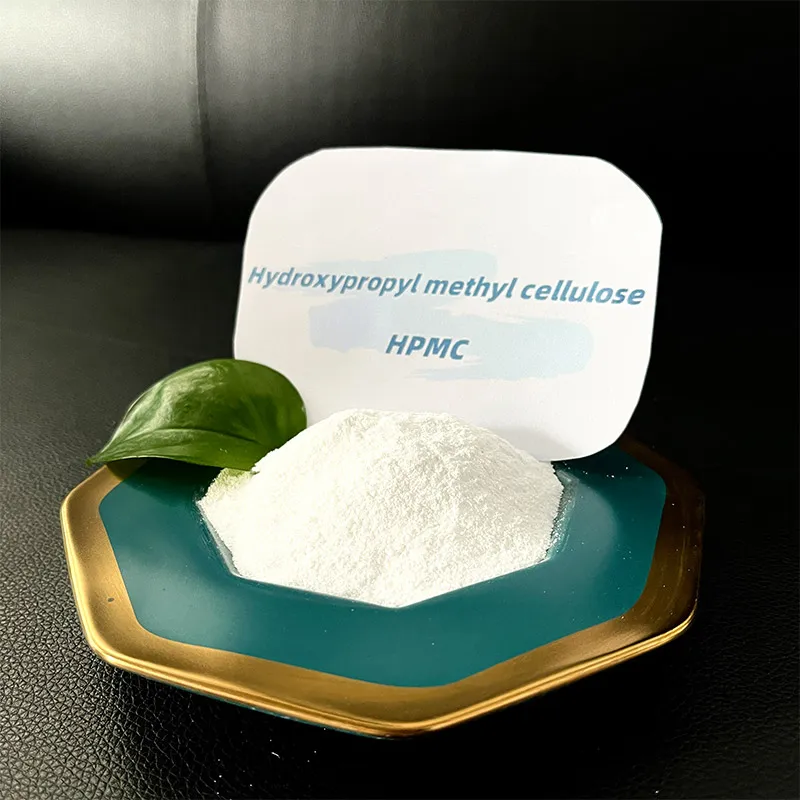
Hydroxypropyl methylcellulose (HPMC) is a synthetic polymer widely used for its versatility and applications in various industries, such as pharmaceuticals, food, and cosmetics. Understanding the solubility of HPMC in organic solvents is paramount for those involved in product formulation and innovation. This article provides an in-depth look at the solubility map of HPMC, informed by real-world experiences and expert insights, to help you make informed decisions. HPMC is known for its unique solubility properties that make it highly functional. Unlike many cellulose derivatives, HPMC is soluble in water and some organic solvents. However, the solubility in organic solvents is not as straightforward as its aqueous counterparts . The degree of substitution and the nature of the solvent are primary determinants of HPMC’s behavior. A deep dive into solvent interactions reveals that HPMC demonstrates compatibility with polar organic solvents. Methanol, ethanol, and isopropanol are typically employed as solvents due to their polar nature, which interacts favorably with the HPMC molecules. Although complete dissolution may not always be achieved, blending these solvents with water often enhances solubility. Many formulators rely on these mixtures for HPMC applications, especially when targeting specific viscosities and functional attributes. In the arena of pharmaceutical formulations, the solubility of HPMC in organic solvents plays a vital role in controlled-release drug delivery systems. Experts frequently use a combination of ethanol and water to create a semi-solid matrix, which acts as a vehicle for sustained drug delivery. The solvent ratio, viscosity grade of HPMC, and other polymer characteristics are meticulously adjusted to meet the therapeutic needs. Despite considerable research and anecdotal evidence supporting specific solvent use, nuances in product formulations are inevitable. Experience lends insight into overcoming challenges such as solvent evaporation and maintaining polymer integrity. For instance, blending organic solvents with plasticizers has proven effective in preventing brittleness and enhancing film flexibility, a crucial aspect in coating applications. solubility of hpmc in organic solvents In the food industry, where HPMC is used as a thickener and emulsifier, compatibility with organic solvents is scrutinized due to regulatory and safety considerations. The application of ethanol in food-grade HPMC solutions showcases its utility in achieving desirable textures and stability in various consumables. Food technologists often emphasize a rigorous approach to solvent selection, focusing on maintaining consumer safety and product efficacy. Renowned experts in polymer science continuously evaluate the solubility characteristics of HPMC in emerging organic solvents. Environmental concerns and advancements in green chemistry have driven the exploration of eco-friendly solvents like ethyl lactate. These alternatives are gaining traction, though widespread adoption necessitates a careful balance between solubility performance and environmental impact. Trust in the reliability and safety of HPMC-solvent systems stems from robust testing and validation processes. Third-party verifications and certifications, especially in food and pharmaceutical domains, enhance the credibility of HPMC applications. Manufacturers often publish detailed solubility data and safe-use guidelines, supporting formulation scientists in their quest for optimal solubility strategies. Staying informed on advancements and new findings in solvents is crucial for professionals working with HPMC. Attending industry conferences, engaging in workshops, and subscribing to peer-reviewed journals are excellent methods to maintain expertise. Networking with fellow experts provides additional perspectives and solutions, further enriching one's understanding and application of HPMC in various contexts. In conclusion, understanding the solubility of HPMC in organic solvents is essential for optimizing product formulations across multiple industries. Balancing functionality, safety, and environmental considerations remains a top priority for professionals. Adeptly navigating these parameters ensures the development of high-quality, effective products that meet the evolving needs of consumers.
- 40000tons

Production
- 20+years

Experience
- 5000+㎡

Acreage

-
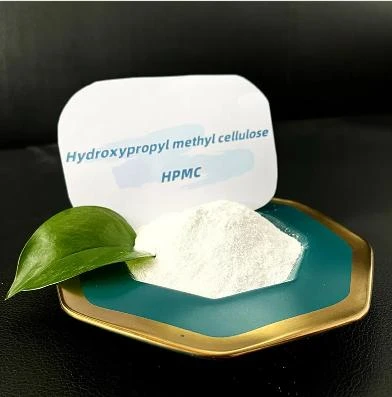
Hydroxypropyl methylcellulose (HPMC) is increasingly gaining popularity in various industries, from pharmaceuticals to food production, prompting consumers to question its safety. Leveraging extensive research, experience, and expert insights can provide a nuanced understanding, assuring consumers of its use. HPMC is a chemically modified cellulose widely used for its stabilizing, thickening, and emulsifying properties. It is primarily found in the formulation of tablets, capsules, and as a vital component in gluten-free and vegan products. This versatility raises both interest and concern regarding its consumption. From a professional standpoint, HPMC is considered safe for consumption and use. Both the Food and Drug Administration (FDA) and the European Food Safety Authority (EFSA) have approved its use, underscoring its safety when used within prescribed limits. Clinical studies have highlighted its non-toxic and non-carcinogenic nature, even in long-term exposure. As an inert compound, it doesn't alter the properties or efficacy of active pharmaceutical ingredients, attesting to its safety and efficacy. Users and manufacturers often express their satisfaction with HPMC's performance due to its inert properties. It's appreciated particularly in the pharmaceutical industry where its use as an excipient ensures the efficiency of drug delivery without adverse interactions. Real-life applications underscore its safety, highlighting exemplary results, especially in drug formulation where consistency in performance is critical. hydroxypropyl methylcellulose is it safe In the food industry, where HPMC acts as a stabilizer and emulsifier, it has transformed the landscape for particular dietary products, addressing the needs of individuals seeking gluten-free and vegan options. Consumers have reported positive experiences, noting improvements in texture and palatability without compromising safety. Such experiential data, coupled with scientific evidence, strengthens consumer confidence and trust in the product. Critically, ongoing research continuously supports HPMC's safety profile. This ongoing work aids in addressing emerging concerns, ensuring that the data remains relevant and insightful. Authorities routinely revisit the guidelines for HPMC’s usage limits, promptly updating them backed by contemporary findings, thereby reaffirming its position as a safe additive. It's crucial for manufacturers to adhere to the specified guidelines, utilizing HPMC within the recommended concentrations to ensure consumer safety effectively. Misapplication or deviation from established norms could inadvertently raise safety concerns, thus adherence to guidelines remains paramount. In conclusion, hydroxypropyl methylcellulose stands as a robust component in various products , driven by its proven safety and functionality. Its application in pharmaceuticals and food products demonstrates reputable expertise and trustworthiness, supported by extensive regulatory approval and comprehensive research. For both manufacturers and consumers, understanding these facets is essential, ensuring informed usage decisions that align with health and safety standards. Exploring these assurances allows stakeholders to leverage HPMC effectively, fully realizing its benefits in enhancing product quality and consumer satisfaction.
-
When evaluating dry eye treatment options, patients often consider the benefits and differences between products like Retaine HPMC and MGD. Both serve to relieve dry eye symptoms, but they function distinctly due to their formulation and intended purposes. Understanding these differences not only helps users make an informed decision but also ensures that they choose the product best suited to their specific condition. In terms of composition, Retaine HPMC (Hydroxypropyl Methylcellulose) utilizes a specific polymer to maintain ocular surface lubrication. This makes it particularly effective for individuals who experience occasional dryness, blurred vision, or eye irritation. HPMC acts as an ocular lubricant providing moisture retention and a protective film over the eye’s surface. Its primary function is to supplement the eye's natural tear film, making it a suitable option for those who need mild to moderate hydration support without dealing with excessive oiliness or other complications. On the other hand, Retaine MGD (meibomian gland dysfunction) targets a more complex root cause of dry eye symptoms. Meibomian gland dysfunction is a prevalent contributor to evaporative dry eye, characterized by an inadequate lipid layer in the tear film. Retaine MGD is designed to preserve the eye's natural tear film longer by utilizing electrostatic attraction to bond with mucin and aqueous layers of the eye, hence reducing evaporation and increasing tear stability. Its formula is lipid-enhanced; therefore, it's particularly recommended for individuals suffering from this specific condition where maintaining adequate lipid layers is crucial. From a professional standpoint, choosing between these two products should pivot on diagnosing the underlying cause of the dry eye. Patients with symptoms primarily due to insufficient aqueous production may find Retaine HPMC to be beneficial. Meanwhile, those with meibomian gland dysfunction would potentially experience greater relief from Retaine MGD. It's essential to consult with an eye care specialist to correctly identify the nature of the dry eye problem, ensuring a treatment plan that targets the condition effectively. retaine hpmc vs mgd Moreover, patient experience highlights the importance of personal comfort and reaction to these dry eye treatments. Users of Retaine HPMC often note its smooth application and the immediate relief it provides . However, those who struggle with more severe or persistent symptoms of dryness, particularly related to compromised lipid layers, report significant improvements with Retaine MGD. Both products maintain a high level of trust within the community, backed by their proven effectiveness and quality assurance. Ultimately, the choice between these products should not only rely on the overlaying surface symptoms but also on the precise physiological deficiencies being experienced. A robust understanding of your eye health, supported by professional guidance, ensures an optimal therapeutic outcome. By relying on these insights, patients enhance their decision-making process, choosing not just based on product claims but on detailed insights into how each treatment modifies tear film dynamics. Being well-informed positions individuals to better manage their eye health, reflecting the core of informed, authoritative treatment choices.
advantages
-

200000 Viscosities
Excellent product
We can produce pure products up to 200,000 viscosities
-

40000 tons
High yield
We don’t stop production all year round, and the annual output can reach 40,000 tons
-

24 hours
Quality service
We provide 24-hours online reception service, welcome to consult at any time
———— Inquiry Form
Schedule A services


-
 bei_ya_methylcellulose
Oct . 25, 2025
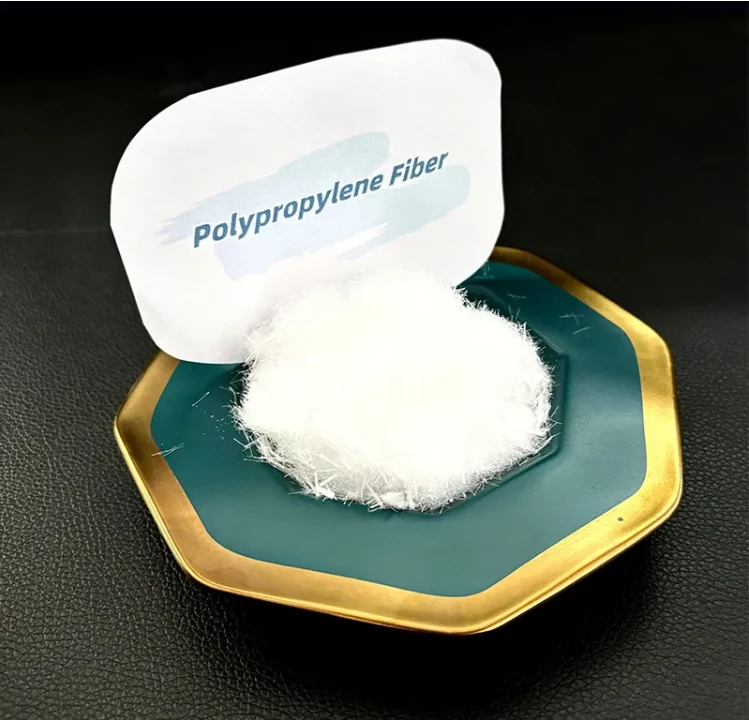
Polypropylene fiber is a versatile, durable material that is used in a variety of applications acros -
 poda_ya_emulsion_inayoweza_kusambazwa_tena
Oct . 25, 2025
Hydroxypropyl Methyl Cellulose HPMC is a highly versatile cellulose ether widely used in various ind -
 wood_composition_cellulose_hemicellulose_lignin
Oct . 25, 2025
In the rapidly evolving world of pharmaceutical and health supplement manufacturing, the demand for


